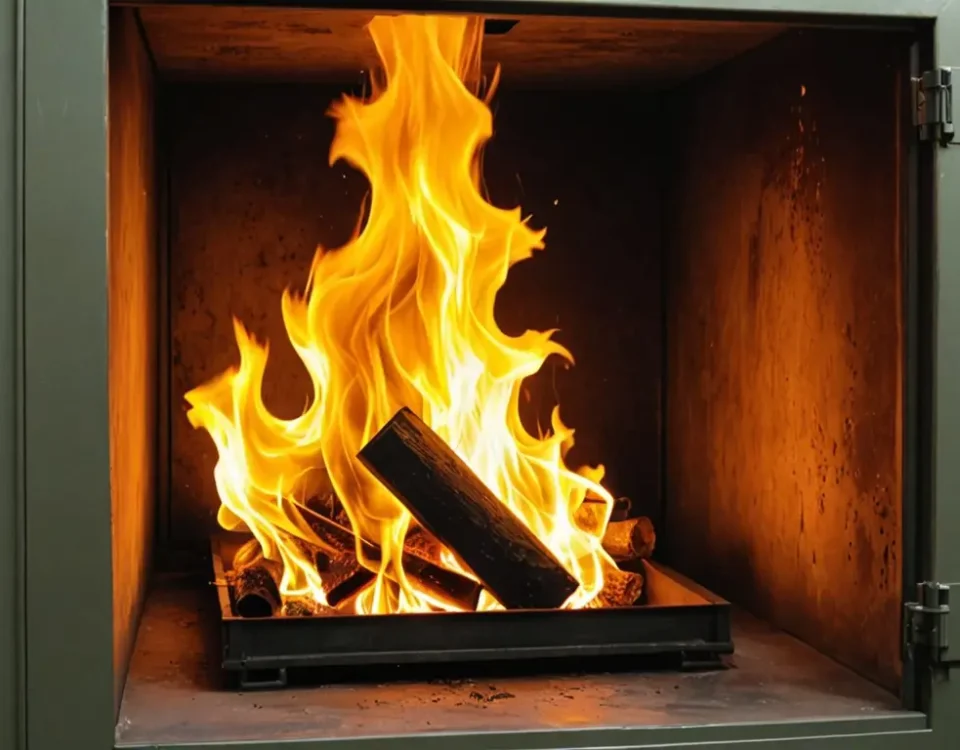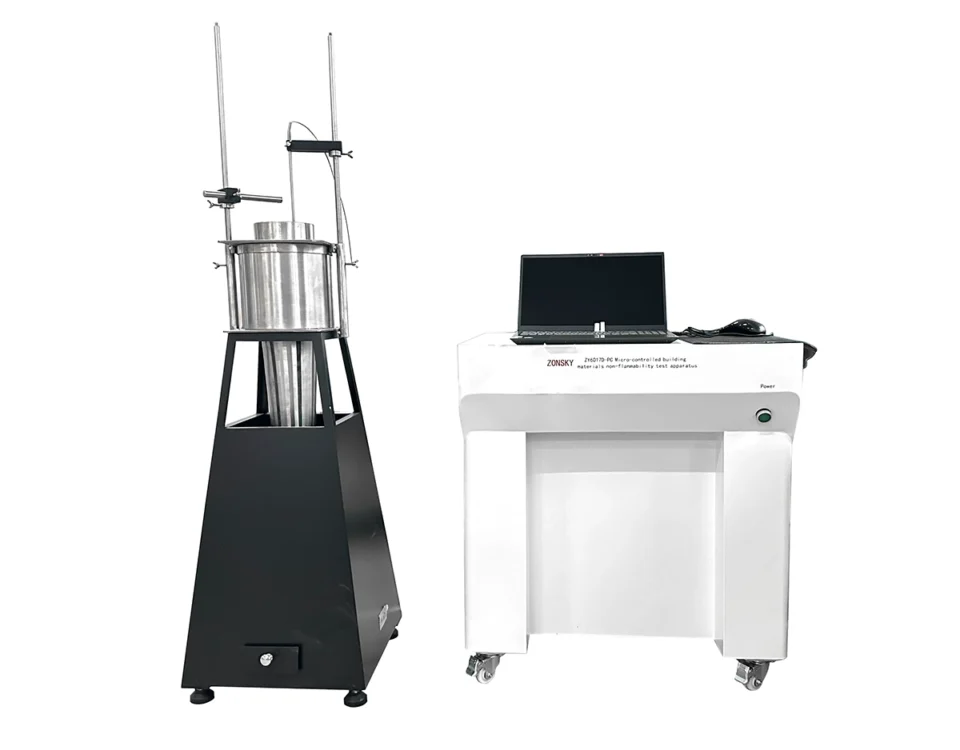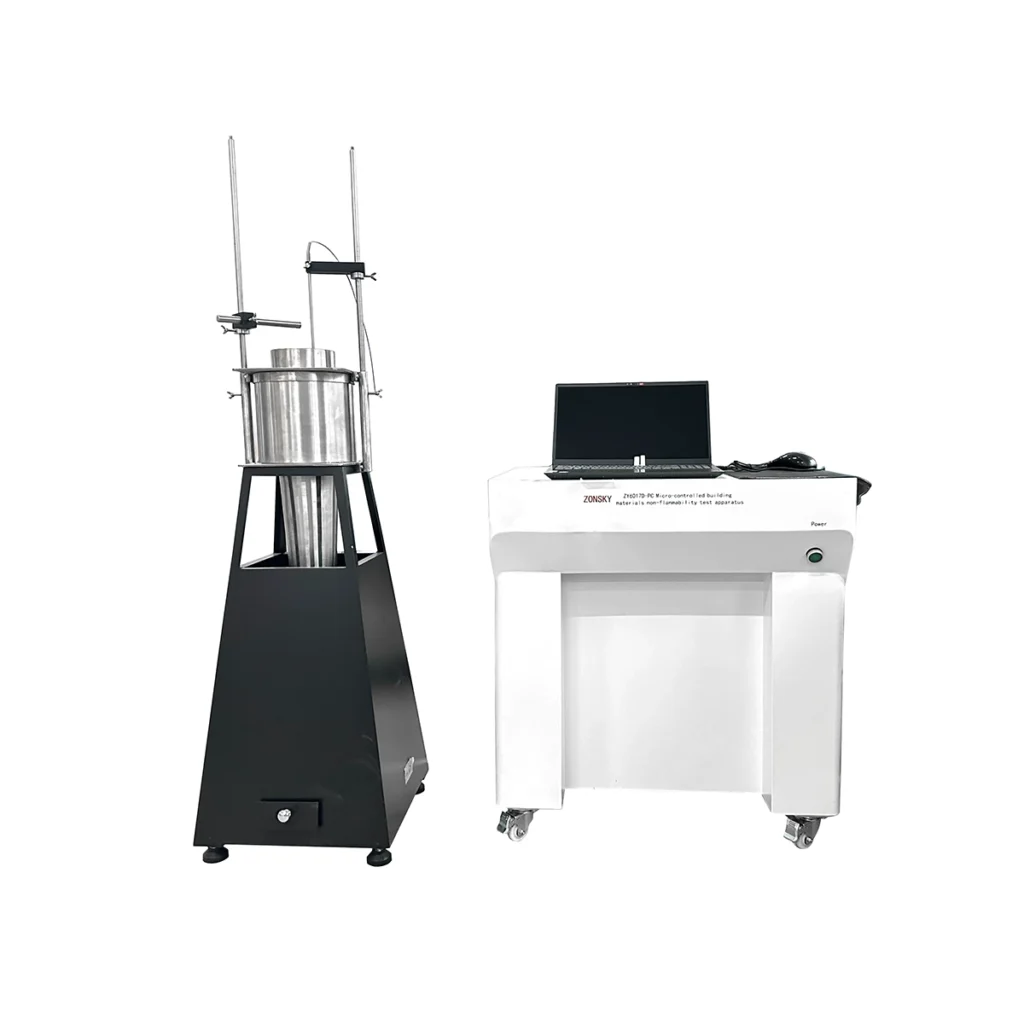
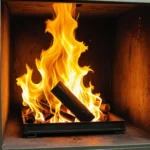

Fire remains one of the most significant safety threats in modern society. Surprisingly, most fire-related fatalities are not caused by direct burns, but by toxic smoke inhalation, heat radiation, and rapid flame spread.
This is why flame retardancy testing plays a critical role in materials development, product safety, and regulatory compliance.
Key Fire Performance Indicators
✅ Limiting Oxygen Index (LOI)
Measures the minimum oxygen concentration required to sustain combustion. The higher the LOI, the better the flame resistance.
✅ UL 94 Flammability Rating
Evaluates self-extinguishing behavior and dripping characteristics. Ratings range from HB, V-2, V-1 to the highest level, V-0.
✅ Heat Release Rate (HRR)
One of the most important indicators of fire hazard. A lower HRR means slower fire growth and improved evacuation time.
✅ Total Heat Release (THR)
Represents the total energy released during combustion and reflects overall fire load.
✅ Smoke Density & Toxicity
Assesses visibility reduction and the release of hazardous gases such as CO and HCN.
Essential Fire Testing Standards
🔹 ISO 4589 / ASTM D2863 – Oxygen Index (LOI)
🔹 UL 94 – Vertical & Horizontal Flammability
🔹 ISO 5660 / ASTM E1354 – Cone Calorimeter
🔹 ISO 5659 / ASTM E662 – Smoke Density Chamber
🔹 EN 13823 – SBI Test
🔹 ISO 9705 – Room Corner Test
🔹 IEC 60332 / UL 1685 – Cable Flame Propagation
Industries Relying on Flame Retardancy Testing
🏢 Building Materials
🚗 Electric Vehicles & Battery Systems
🔌 Wire & Cable Manufacturing
✈️ Aerospace & Aviation
🚆 Rail Transportation
📱 Electrical & Electronic Products
Modern fire testing is no longer simply about determining whether a material burns. It is about understanding how quickly fire develops, how much heat is released, how much smoke is generated, and how effectively occupants can evacuate safely.
From electronic devices to high-rise buildings, every successful fire test contributes to a safer world.